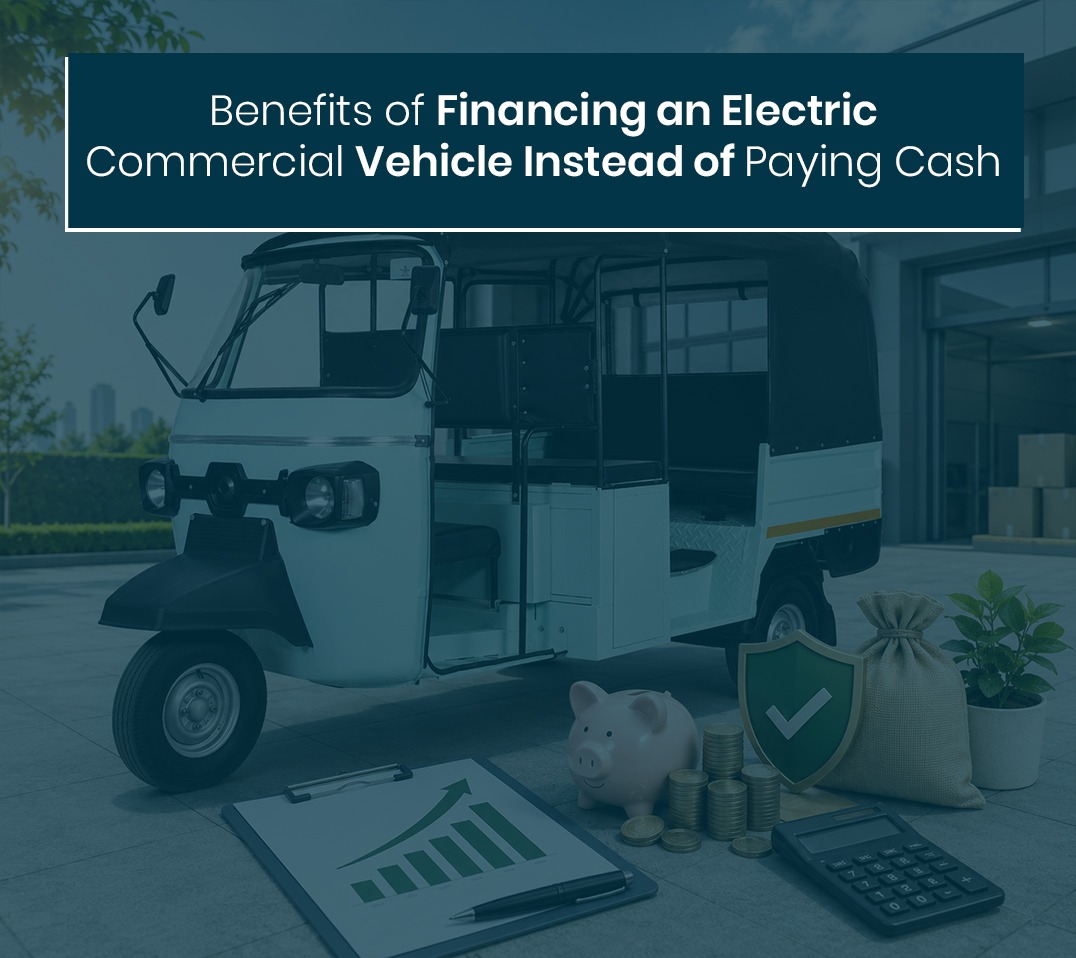
Benefits of Financing an Electric Commercial Vehicle Instead of Paying Cash
As businesses increasingly adoptsustainable transportation solutions, electric commercial vehicles (EVs)have become a smart investment for fleet owners, logistics companies, deliveryservices, and small businesses. While purchasing an electric commercial vehicleoutright may seem appealing, paying the full amount in cash isn't always themost strategic financial decision.
Financing an electric commercial vehicle allows businesses to preserve working capital, manage cash flow more effectively and scale operations without making a large upfront investment. Whether you're purchasing your first electric cargo van or expanding an existing EV fleet, understanding the advantages of financing can help you make a more informed decision.
In this guide, AMU explains why financing an electric commercial vehicle often makes more business sense than paying cash, the factors to consider before applying for a loan and how financing can support long-term business growth.
Understanding Electric Commercial Vehicle Financing
Electric commercial vehicle financing is a loan that enables businesses or individuals to purchase an electric vehicle for commercial use while paying for it over a fixed repayment period through Equated Monthly Installments (EMIs).
Instead of paying the full purchase price upfront, the lender finances a significant portion of the vehicle's cost. The borrower contributes a down payment and repays the remaining balance over the agreed loan tenure.
Commercial EV financing is commonly used for:
- Electric cargo
- Electric delivery vehicles
- Electric trucks
- Electric buses
- Electric three-wheelers
- Commercial electric two-wheelers
This financing model helps businesses adopt electric mobility while maintaining financial flexibility.
Why Paying Cash Isn't Always the Best Option
Many business owners assume paying cash avoids interest costs and simplifies ownership. While that can be true in some cases, it also ties up a substantial amount of capital that could otherwise be used for business operations or expansion.
A large cash purchase may reduce liquidity, making it more difficult to:
- Cover day-to-day operating expenses
- nvest in marketing or technology
- Hire additional staff
- Purchase inventory
- Handle unexpected emergencies
- Expand into new markets
Financing allows businesses to spread the cost over time while keeping cash available for growth opportunities.
Key Benefits of Financing an Electric Commercial Vehicle
1. Preserves Working Capital
Working capital is essential for every business. Instead of investing a large sum into a single vehicle purchase, financing allows businesses to keep funds available for operational needs.
This flexibility is especially valuable for startups and small businesses with limited cash reserves.
2. Improves Cash Flow Management
Monthly EMIs are predictable and easier to budget than a significant one-time payment.
Businesses can align repayment schedules with their monthly revenue, making financial planning more manageable.
Stable cash flow also improves overall financial health and business resilience.
3. Enables Faster Business Expansion
Rather than waiting to accumulate enough cash for multiple vehicle purchases, financing allows businesses to expand their fleets sooner.
For example:
A delivery company needing five electric vans can finance them immediately instead of purchasing one vehicle at a time over several years.
This enables faster business growth and improved customer service.
4. Maintains Emergency Funds
Unexpected expenses are inevitable.
Businesses may need cash for:
- Equipment repairs
- Payroll
- Supplier payments
- Business opportunities
- Emergency maintenance
Financing helps preserve emergency reserves instead of exhausting available cash on vehicle purchases.
5. Supports Fleet Modernization
Many businesses are replacing aging fuel-powered vehicles with electric alternatives.
Financing makes fleet upgrades more affordable while allowing companies to benefit from:
- Lower operating costs
- Reduced maintenance
- Improved efficiency
- Enhanced brand image
6. Easier Budget Planning
Fixed monthly EMIs simplify budgeting and financial forecasting.
Business owners know exactly how much they'll pay each month, making it easier to manage expenses and allocate resources effectively.
7. Opportunity to Invest Cash Elsewhere
Money saved by financing instead of paying cash can be invested in areas that generate business growth, such as:
- Marketing campaigns
- Inventory expansion
- Technology upgrades
- Employee training
- Business development
- Customer acquisition
These investments may deliver returns that outweigh the financing costs.
8. Builds Business Credit History
Making loan repayments on time demonstrates responsible financial management.
A strong repayment history may improve eligibility for future financing, making it easier to secure funding for expansion or additional equipment.
9. Access to Better Vehicles
Paying cash may limit buyers to a lower-priced vehicle.
Financing can make higher-quality or higher-capacity electric commercial vehicles more affordable through manageable monthly payments.
Choosing the right vehicle from the start can improve operational efficiency and reduce long-term costs.
10. Supports Sustainable Business Growth
Electric commercial vehicles often offer lower running and maintenance costs compared to traditional fuel-powered vehicles.
When combined with financing, businesses can adopt cleaner transportation without placing excessive strain on their finances.
Use Cases: Who Benefits Most from Financing?
1. Logistics Companies
Delivery businesses often require multiple vehicles to meet growing customer demand.
Financing enables faster fleet expansion while maintaining healthy cash flow.
2. E-commerce Businesses
Online retailers depend on efficient last-mile delivery.
Financing electric delivery vehicles allows businesses to improve logistics without making large upfront investments.
3. Small Business Owners
Local businesses such as florists, bakeries and grocery suppliers can finance electric vehicles to support deliveries while preserving capital for daily operations.
4. Ride-Sharing and Commercial Transport Operators
Taxi operators and commercial passenger transport businesses can transition to electric mobility through affordable financing rather than depleting business savings.
5. Fleet Operators
Companies managing multiple commercial vehicles can gradually replace conventional vehicles with electric alternatives through structured financing plans.
Tips Before Financing an Electric Commercial Vehicle
Before applying for financing, businesses should:
- Assess monthly repayment capacity.
- Compare loan offers from multiple lenders.
- Understand interest rates and loan tenure.
- Check total ownership costs, including insurance and maintenance.
- Maintain a healthy credit profile.
- Review all loan terms before signing the agreement.
Proper planning helps ensure financing supports long-term business objectives.
Why Choose AMU?
At AMU we believe financing should empower businesses to grow, not limit their potential. Our mission is to help businesses understand commercial EV financing through transparent information, practical insights and customer-focused guidance.
Whether you're purchasing your first electric delivery vehicle or expanding an existing commercial fleet, AMU is committed to helping you make informed financing decisions that align with your operational goals and financial strategy.
By simplifying the financing journey, AMU supports businesses in embracing sustainable transportation while maintaining financial stability.
Conclusion
While paying cash eliminates monthly loan payments, it can also reduce liquidity and limit business flexibility. Financing an electric commercial vehicle allows businesses to preserve working capital, improve cash flow, expand operations more quickly and invest in other growth opportunities.
As electric mobility continues to reshape commercial transportation, financing offers a practical pathway for businesses to modernize their fleets without compromising financial stability.
Before making a purchase decision, evaluate your cash flow, business goals and financing options to determine the approach that best supports your long-term success. With trusted guidance from AMU, businesses can confidently transition to electric commercial vehicles while maintaining healthy financial management.
FAQs
1. Is financing an electric commercial vehicle better than paying cash?
For many businesses, financing offers greater financial flexibility by preserving working capital and spreading costs through manageable monthly EMIs. The best option depends on your cash flow and business goals.
2. Can startups finance electric commercial vehicles?
Yes. Many lenders provide commercial EV financing for startups and small businesses, subject to eligibility criteria, creditworthiness and documentation requirements.
3. Does financing help businesses expand faster?
Yes. Financing enables businesses to acquire vehicles immediately instead of waiting to accumulate sufficient cash, supporting quicker fleet expansion and business growth.
4. What factors should I consider before financing an electric commercial vehicle?
Consider your repayment capacity, loan tenure, interest rate, down payment, total ownership costs and business cash flow before selecting a financing option.
5. Why is preserving working capital important when buying commercial EVs?
Maintaining working capital allows businesses to cover operational expenses, respond to unexpected costs, invest in growth opportunities and maintain financial stability while repaying the vehicle loan.