How EV Financing Is Helping Small Business Owners Grow
Electric vehicles are transforming the transportation and mobility sector in India. With increasing awareness of sustainable transportation and the growing demand for affordable mobility solutions electric vehicles have become an attractive option for small business owners. From e-rickshaw operators to local transportation providers and delivery businesses entrepreneurs are exploring new opportunities through electric mobility.
However, purchasing an electric vehicle requires an initial investment. For many small business owners arranging the required funds can be challenging. This is where EV financing plays an important role. It helps eligible entrepreneurs access funds for purchasing electric vehicles without depending entirely on their personal savings.
EV financing is not just about purchasing a vehicle. It can also help small businesses manage their finances more effectively & create opportunities for long-term growth. With financial solutions from AMU entrepreneurs can explore opportunities in the growing electric vehicle sector and work towards building a sustainable business.
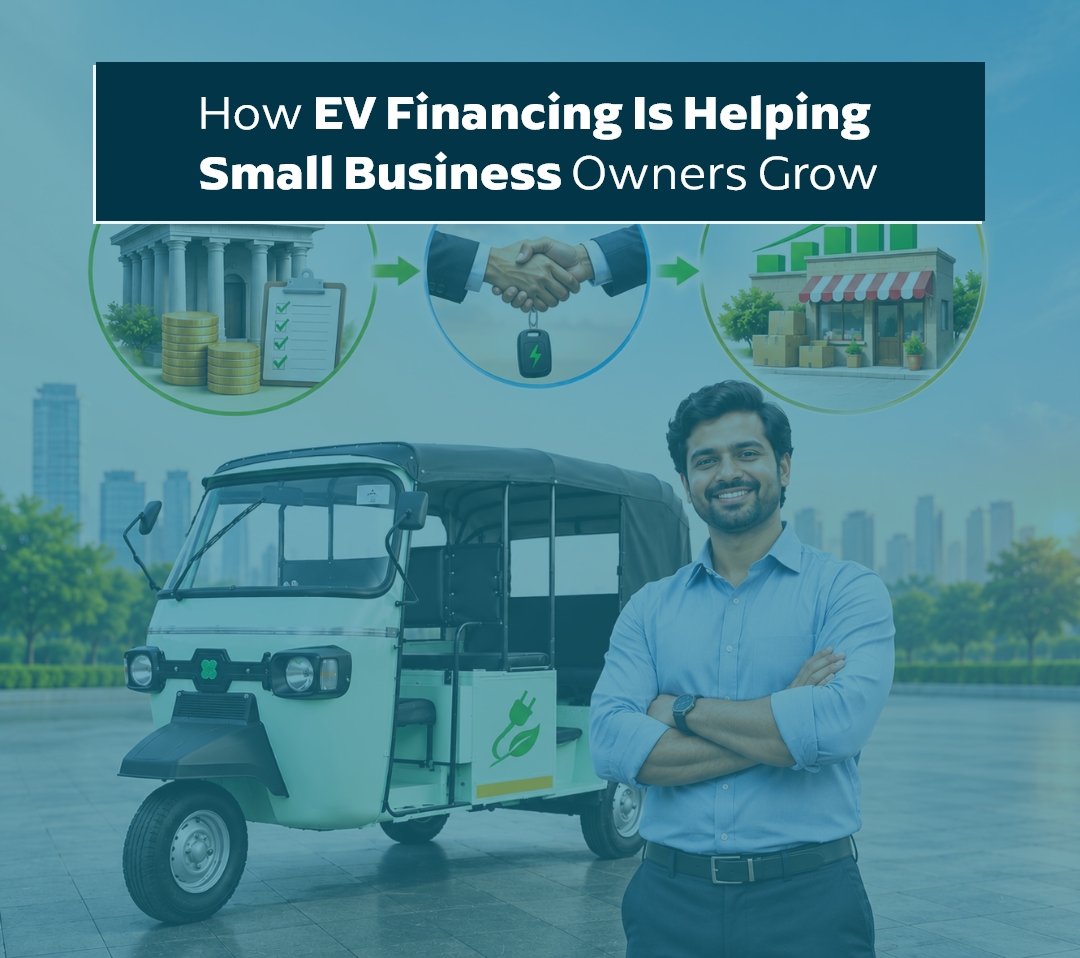
1. Understanding EV Financing for Small Businesses
EV financing refers to financial assistance provided to individuals and businesses for purchasing electric vehicles. Instead of paying the entire vehicle cost upfront, eligible customers can purchase a vehicle through a financing arrangement & repay the financed amount through regular installments.
For small business owners, this can make electric vehicle ownership more accessible. It allows entrepreneurs to plan their investments while keeping some funds available for other business requirements.
EV financing can support the purchase of different types of electric vehicles depending on the financing provider's offerings and eligibility conditions. These may include electric rickshaws and other commercial electric vehicles.
By reducing the immediate financial burden of vehicle ownership, EV financing can help entrepreneurs enter the electric mobility sector with better financial planning.
2. Reducing the Initial Investment Burden
One of the biggest challenges for small business owners is arranging the initial capital required to start or expand their operations. Purchasing an electric vehicle through personal savings may affect the money available for inventory employee payments and daily business expenses.
EV financing offers an alternative by allowing eligible buyers to pay an initial amount & repay the remaining financed amount over an agreed period.
This approach can help business owners:
- Manage their initial investment more effectively.
- Preserve funds for daily business operations.
- Plan monthly financial commitments.
- Explore vehicle ownership without paying the complete cost upfront.
- Allocate resources towards other business activities.
For entrepreneurs entering the transportation sector, this flexibility can make it easier to start with a suitable vehicle and gradually develop their business.
3. Helping Entrepreneurs Start Their Own Business
Electric vehicles are creating opportunities for individuals who want to become self-employed. An e-rickshaw business is one example where entrepreneurs can start with a single vehicle and build their customer base over time.
Business owners can explore different income opportunities such as:
- Passenger transportation in residential areas.
- Local transportation services near metro and railway stations.
- Short-distance travel services for daily commuters.
- Goods transportation through suitable electric cargo vehicles.
- Rental services for drivers who need commercial vehicles.
EV financing can help eligible individuals arrange the funds needed to purchase a suitable vehicle. Instead of waiting until they have saved the entire purchase amount, they can explore financing options and plan their business accordingly.
However, success depends on several factors including customer demand, route selection and operating expenses.
4. Supporting Better Cash Flow Management
Cash flow is essential for every small business. Business owners need sufficient funds to manage daily operations while meeting financial commitments.
When a business invests a large amount in purchasing a vehicle, it may reduce the working capital available for other activities. EV financing can help distribute the vehicle purchase cost across an agreed repayment period.
This can support better financial planning by allowing entrepreneurs to estimate their monthly expenses & maintain funds for other business requirements.
For example an e-rickshaw operator may need money for electricity, vehicle maintenance insurance & other operating expenses. Planning these costs alongside monthly loan installments can help maintain financial discipline.
Before choosing any financing option, business owners should carefully evaluate the interest rate, repayment period, applicable charges and monthly instalment amount.
5. Lower Operating Costs Can Support Business Growth
Electric vehicles offer certain operating cost advantages compared to conventional fuel-powered vehicles. Electricity can cost less than petrol or diesel for an equivalent distance depending on local electricity tariffs and vehicle efficiency.
Electric vehicles also have fewer moving mechanical components than conventional internal combustion engine vehicles. This can reduce certain routine maintenance requirements.
Some potential operating advantages include:
- Lower energy costs in suitable operating conditions.
- Reduced dependence on petrol and diesel.
- Fewer engine-related maintenance requirements.
- Convenient charging options where infrastructure is available.
- Reduced local tailpipe emissions.
These advantages can help small business owners manage operating expenses. However, actual savings depend on battery performance, electricity prices, driving distance and maintenance requirements.
Business owners should compare the total ownership cost of different vehicles before making a purchase decision.
6. Creating Opportunities in the Growing EV Market
The electric vehicle industry is creating new opportunities for small entrepreneurs across India. As more people explore electric mobility, demand for supporting businesses and transportation services may also increase.
Small business owners can participate in this growing market through different business activities.
For example, entrepreneurs can operate passenger e-rickshaws, provide local delivery services or develop small vehicle rental operations.
The expansion of electric mobility also creates opportunities for businesses involved in vehicle servicing, battery-related services and charging infrastructure.
With appropriate financial planning, entrepreneurs can explore these opportunities and gradually expand their business activities.
7. Why Choose AMU for EV Financing?
Access to suitable financing is an important step for individuals and small business owners planning to enter the electric mobility sector.
AMU focuses on electric vehicle financing & specialises in financing L3 and L5 category vehicles. Its financing solutions are designed to support eligible customers who want to explore electric vehicle ownership.
AMU aims to make the EV financing process more accessible through its customer-focused approach & digital application facilities.
Small business owners can explore AMU's financing solutions to understand the available options & application requirements.
Before applying for financing, customers should review the eligibility criteria, documentation requirements, repayment schedule and applicable charges.
With the right financial planning AMU can help eligible entrepreneurs explore opportunities in the electric vehicle sector and take steps towards their business goals.
8. Planning Long-Term Business Growth with EV Financing
Starting a business is only the first step. Maintaining operations and planning future growth are equally important.
Small business owners should monitor their income & expenses regularly to understand their financial position. Keeping proper records can help identify opportunities to improve efficiency and manage repayment commitments.
Here are some useful practices for long-term business growth:
- Start with a vehicle that matches your business requirements.
- Research local customer demand before investing.
- Maintain a separate record of business income and expenses.
- Keep funds available for regular vehicle maintenance.
- Follow the recommended battery charging practices.
- Evaluate business performance every month.
- Expand operations only when the existing business is financially stable.
Entrepreneurs who follow a structured approach can make better business decisions & manage financial risks more effectively.
Conclusion
EV financing is playing an important role in making electric vehicle ownership more accessible for small business owners in India. It provides an opportunity for eligible entrepreneurs to purchase electric vehicles while managing their initial investment and monthly financial commitments.
From starting an e-rickshaw business to expanding local transportation services, electric mobility offers several opportunities for individuals who want to become self-employed or grow their existing businesses.
With proper market research, financial planning & the right vehicle selection, entrepreneurs can explore the benefits of electric mobility. AMU supports this transition by offering electric vehicle financing solutions for eligible customers.
As India's electric mobility sector continues to develop, EV financing can help small business owners explore new opportunities & work towards sustainable business growth.
FAQs
What is EV financing for small business owners?
EV financing helps eligible business owners purchase electric vehicles through manageable installments.
How does EV financing help small businesses grow?
It reduces upfront costs and helps businesses manage their finances effectively.
Can I use EV financing to purchase an e-rickshaw?
Yes. Eligible customers can explore financing options for e-rickshaw purchases.
What documents are generally required for EV financing?
Common documents include Aadhaar Card, PAN Card, address proof and bank statements.
Does AMU provide electric vehicle financing solutions?
Yes. AMU offers financing solutions specialising in L3 and L5 category vehicles.